
Preventing Secondary Structural Damage from Roof Leaks: A Homeowner's Guide
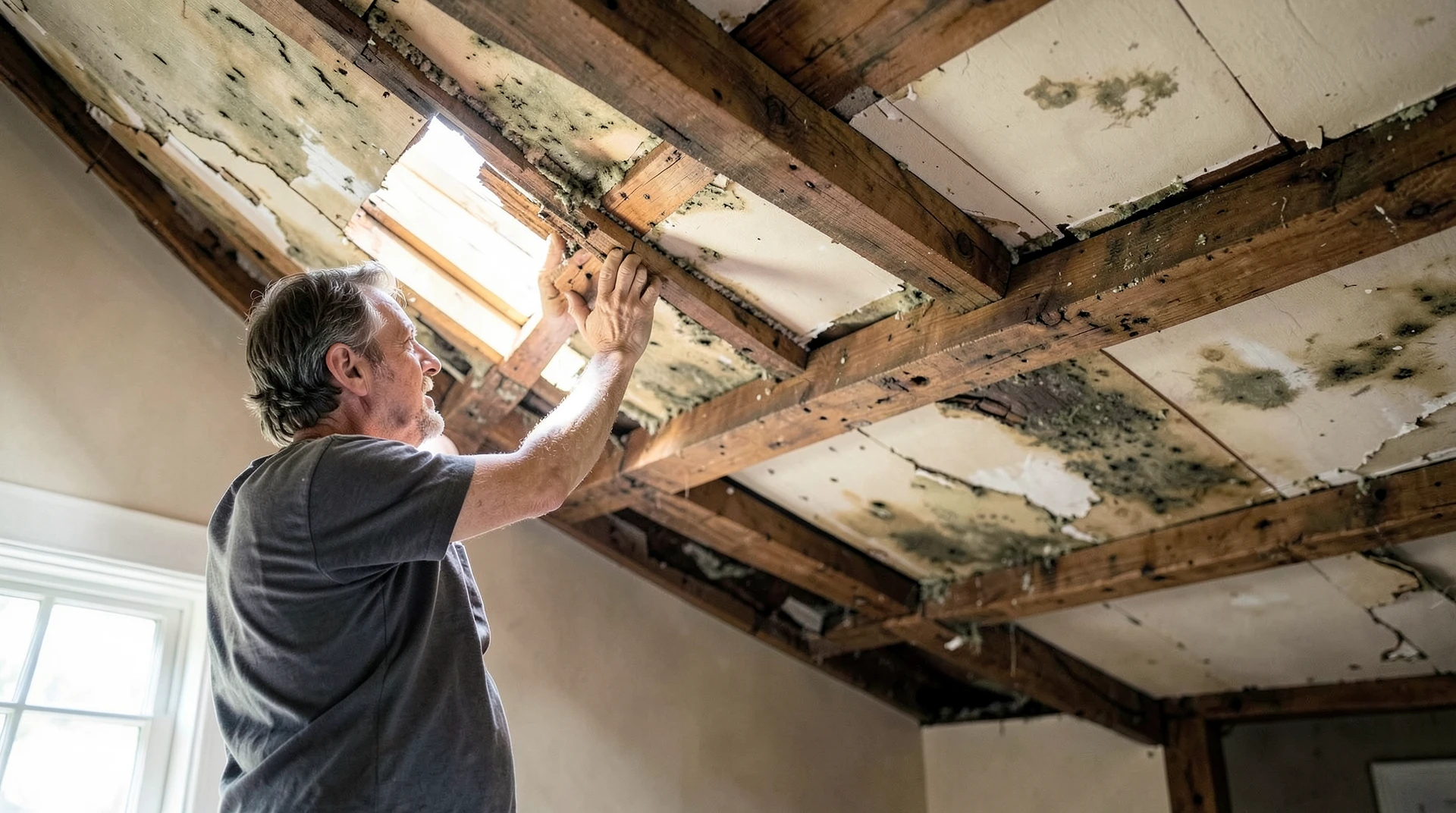
When a homeowner sees a water stain spreading across a ceiling-that initial sight of damp drywall or yellowed paint-the immediate panic is understandable. We worry about the damage we can see, right? But let me tell you something that decades on job sites have taught me: the true danger from a roof leak rarely stops where the visible drip ends. It's not just the water stain; it’s what the water does after it gets inside. A small breach in your roofing system can start a silent, escalating process of decay that threatens the very foundation and structural integrity of your home. We are talking about more than cosmetic damage; we are discussing the need for proactive planning to prevent secondary structural damage from roof leaks.
Learn more about Rock Line Roofing’s team of experts.
Beyond the Leak: Why a Minor Roof Problem is a Major Structural Threat
Most people only consider the visible signs-the damp spot, the musty smell, the stain on the finished drywall. But if you think that's where the risk ends, I need to talk you through what happens next. The real danger lies within the structural elements of your home: the joists, the trusses, and the framing members themselves.
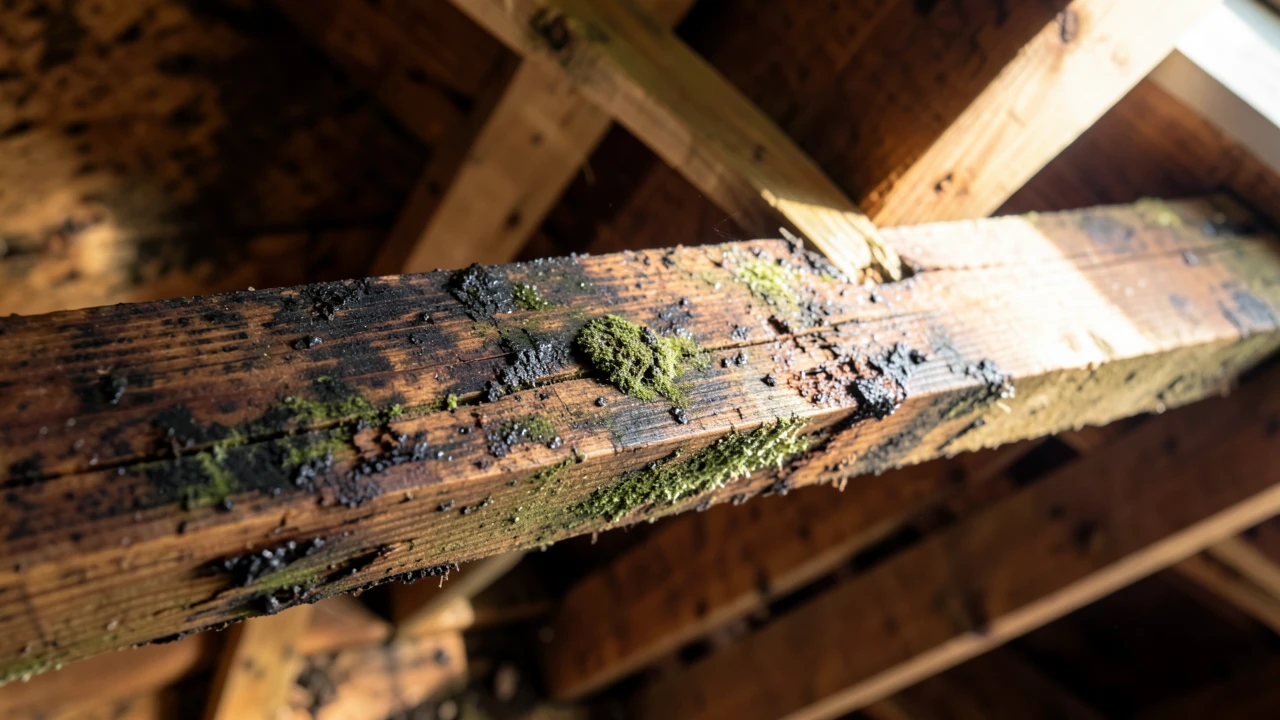
When water infiltrates a roof system-even from a seemingly tiny spot like compromised flashing around a vent-it initiates a chain reaction that quickly bypasses simple cosmetic damage. First, you get dampness. This moisture begins to degrade the protective layers of insulation, which can harbor mold growth and mildew. Over time, this trapped humidity accelerates wood decay (rot) in load-bearing structures. A seemingly minor leak today could compromise the integrity of a beam supporting your kitchen next year.
To help explain how critical small weak points are, think about flashing failure-the material used to seal edges around chimneys or vents. Proper sealing is like making sure you have a perfectly watertight rim around a glass cup; if that rim is even slightly damaged or improperly placed, the water doesn't just drip off-it finds a way under the protection. These small areas are critical points of failure because they are often hidden from view and subjected to constant cycles of expansion and contraction due to Texas weather shifts.
Understanding this progression means realizing that simply patching the visible leak is only half the battle. You must stabilize the structure itself, which necessitates a professional assessment of all the hidden damage-the subfloor joists, the underlayment, and the framing members before they are compromised by mold or rot. This early intervention is key to preventing secondary structural damage from roof leaks.
What Happens After the Storm: Assessing Secondary Damage Immediately
When a major weather event happens-a hailstorm, high winds, or heavy tropical rain-the first instinct is panic. But before you call five different contractors, there are steps you can take to manage your initial assessment and protect yourself.
First, on the visible level, document everything. Take photos of any obvious pooling water, fallen debris, or areas where flashing appears bent or lifted. This documentation is crucial for insurance claims later on. However, I need to be clear: documenting superficial cosmetic damage-like a couple of missing shingles-is very different from assessing actual structural compromise.
The only way to truly determine the scope of risk is through a professional roof inspection that goes far beyond simply checking the top layer of materials. A qualified inspector must assess not just the shingle condition, but also the integrity of the underlayment beneath it, the seals around every flashing point, and how your overall drainage system is functioning.
Early detection truly saves you money. If a problem-like clogged gutters or compromised flashings near an HVAC unit penetration-is caught now, before the next major downpour, it prevents secondary structural damage from roof leaks. It’s far cheaper to fix three poorly sealed vents today than to deal with the rot in your main ceiling joists three years from now.
The Hidden Culprits: Areas Where Leaks Are Most Likely to Start
When we talk about where water gets in, we rarely point fingers at the main roof surface itself. Instead, we look at the "hidden culprits"-the points of penetration and failure that are often overlooked during routine maintenance.
The vast majority of roofing leaks don't come from a sheet of missing shingles; they come from poorly sealed vents, chimneys, wall penetrations for plumbing, or skylights. These areas require specific, custom sealing techniques because the roof material cannot simply flow over them. Another major contributor is deferred maintenance. If your gutters are clogged with debris-a common problem out near Indian Creek during heavy leaf season-the water backs up. That backed-up pressure forces its way into the weakest point of entry on your side of the house, leading to serious water intrusion prevention issues.
We also have to understand that different roofing systems fail differently. A flat roof (like TPO or modified bitumen) has entirely different failure modes than a pitched asphalt shingle roof. Each requires specialized inspection knowledge. Finally, local environmental factors play a huge role. Are there large trees near the house? Limb overhangs aren't just aesthetic; they can constantly scrape and degrade roofing materials, creating micro-abrasions that eventually become entry points for water.
I once worked on an older home in Vista Ridge where the roofer only focused on the visible roof surface. I noticed a slight discoloration pattern leading back to a small utility box penetration-a spot barely noticeable. It turned out the flashing around that junction had oxidized and failed, causing slow seepage directly into the attic structure over several years, threatening the joists below. This is the kind of hidden danger we need to prevent secondary structural damage from roof leaks.
When a Leak Signals More: Understanding Your Roof's Lifecycle
It’s crucial for every homeowner to shift their focus from an immediate, reactive ‘patch job’ mentality to long-term, proactive planning. A leak doesn't just signal a damaged shingle; it signals that the entire system-the underlayment, the flashing, and sometimes the structural supports underneath-is aging and nearing its end of life.
If your roof is approaching its functional lifespan (which can vary widely depending on material, local climate, and maintenance), every minor leak or storm damage becomes exponentially more dangerous. Why? Because the underlying materials are already compromised by age, UV exposure, and previous moisture cycles. A simple patch job on a 20-year-old roof might only be delaying an inevitable failure that is rooted deeper than just the shingles.
This is where we need to talk about the true cost of failure versus the investment in longevity. When you are presented with an emergency repair quote, it's vital to compare the expense and disruption of a temporary patch job against the planning needed for a full replacement when the time is right. We shouldn’t wait until mold is growing on your trusses just because we were worried about the current estimate being too high.
When consulting with a contractor, I encourage you to ask these high-value questions: "Based on our climate and roof type, what is the expected lifespan of this material?" or, "How many years does the warranty cover if the flashing fails? Is that limited by age?" These questions help guide you toward making an informed decision about your structural integrity of roofing system.
Building Peace of Mind with a Seamless Roof Restoration Process
I understand that dealing with major home repairs-especially something as large and disruptive as a roof replacement or extensive repair-feels overwhelming. You shouldn't have to manage permits, cleanup crews, subcontractors, and timelines yourself; that is our job. Our entire process is designed around minimizing disruption so you can focus on your life in the Valley Ridge area, not managing the construction site.
A thorough consultation from us isn't just an estimate; it's a detailed walkthrough of why certain materials or repairs are necessary. We start by identifying every single potential point of failure-the vents, the flashing points, the drainage paths-and addressing those proactively to prevent future problems. True expertise means providing solutions for preventing secondary structural damage from roof leaks without upselling unnecessary services just to fill a gap in revenue. Transparency is our core commitment.
We treat your property like it’s our own, ensuring meticulous cleanup and minimal disruption throughout the entire process. We deal in clear numbers, not guesswork; before we lift a single shingle, we walk you through exactly what needs fixing, which helps give you peace of mind about that estimate.
"The true cost of a roof isn't the repair bill; it's the unexpected downtime and disruption that follows failure." This principle guides everything we do. Our goal is to restore not just your roof, but your confidence in the long-term stability of your beautiful home. If you have any lingering questions about how minor leaks might be affecting your overall structural integrity, please don’t hesitate to schedule a simple chat with us. It's absolutely no pressure-just an educational conversation designed to help you protect what matters most: your family and your investment.