
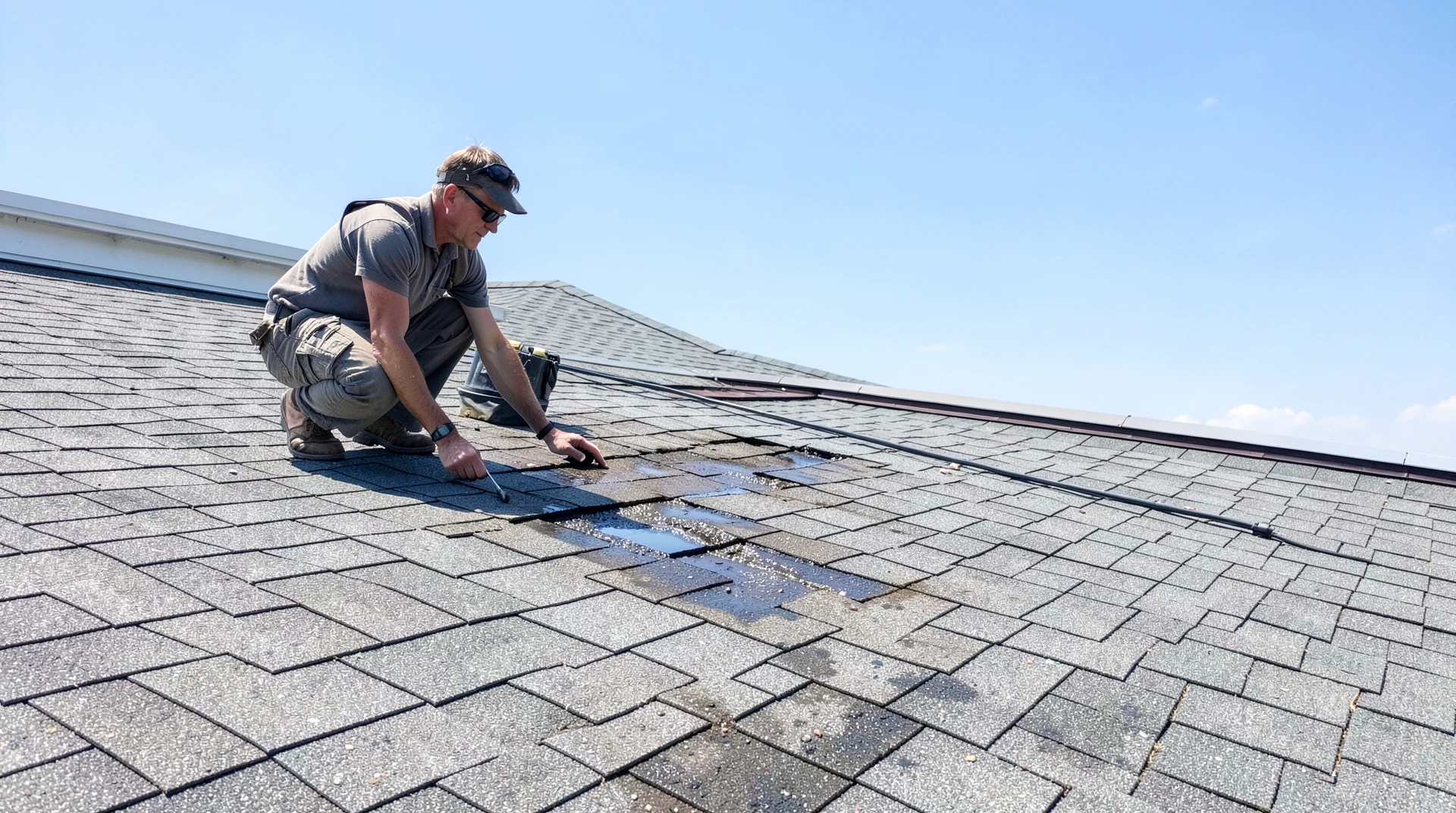
When faced with visible water stains, a section of flashing failure after a heavy rainstorm, or even just that vague sense that something isn't quite right with your roofline, it’s natural for homeowners to feel immediate stress and panic. You start asking: “What do I do now?” And inevitably, the most common question is, when is the best time to install high quality asphalt roofing?
The truth is that this isn't a calendar question; it’s a structural one. We need to move past simply thinking about seasons and instead focus on your home’s long-term safety and integrity. I first got my hands dirty on job sites decades ago, learning that every roof tells a story of the weather it has weathered. Over the years, I've learned that proper planning is always more valuable-and less stressful-than reacting to an emergency failure. The true cost of any roofing project isn't just the shingle replacement; it’s the unexpected downtime, the disruption to your daily life, and the potential for secondary water damage that follows a structural failure. Before we talk about materials or weather, let’s first determine if you are dealing with an urgent patch job or if it’s time for a comprehensive renewal.
More Than Just Shingles: Determining When Your Roof Needs Attention
For many homeowners in neighborhoods like Indian Creek or Vista Ridge, the moment of realization is triggered by a leak-a tell-tale drip that appears after a significant downpour. That immediate sense of crisis often leads homeowners to wonder if they need a quality roof replacement immediately. But we need to distinguish between reacting to an incident and planning for longevity.
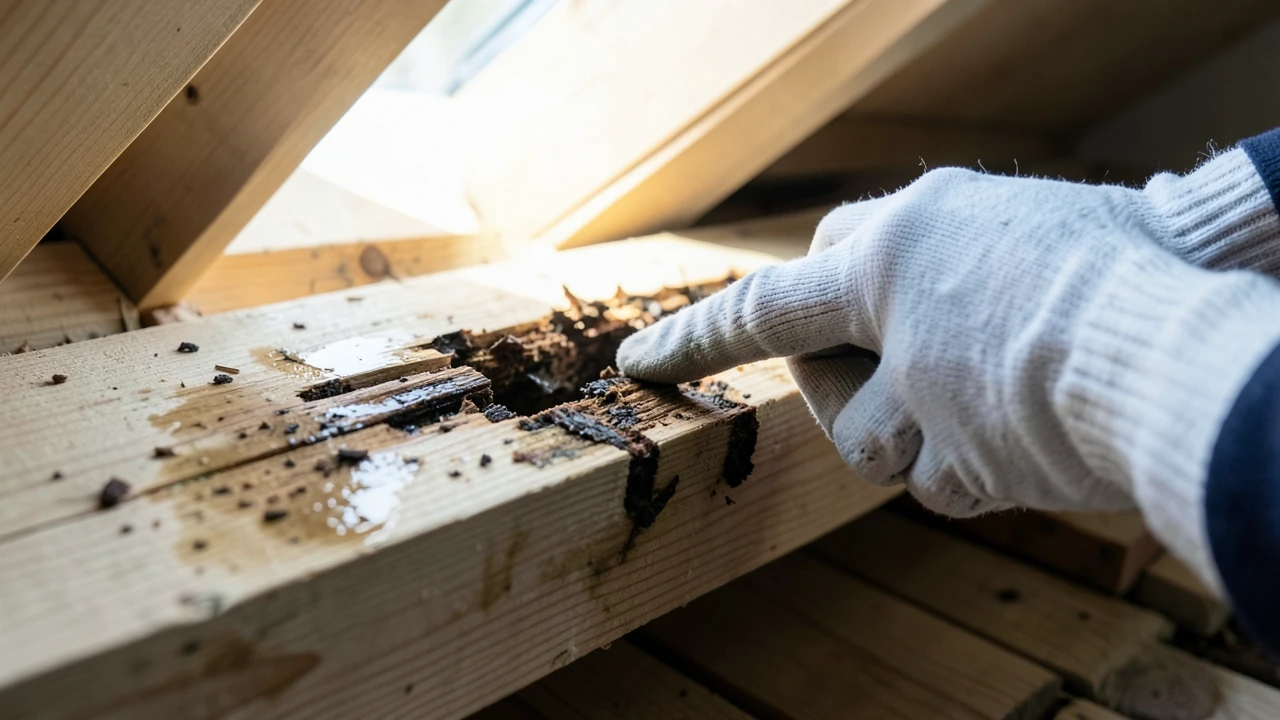
The fundamental principle when assessing your roof is this: Your roof should be replaced before its underlying structure fails. If the decking or underlayment has degraded due to age, repeated moisture cycles, or minor structural shifts, simply replacing the shingles will only delay a far more expensive failure down the line. That’s why a comprehensive assessment is non-negotiable.
We look at your roof as a complete system. When we talk about timing, we are asking: Is this visible damage (like missing granules or obvious streaks) due to impact, or is it simply the cumulative wear of time? A skilled inspection helps you differentiate between cosmetic fixes and deep structural needs. If we jump into a project without fully assessing the scope-from the flashing around your chimneys to the condition of the attic venting-we risk replacing only the visible layer while leaving critical weakness points untouched.
Anecdote: I once worked on an older home where the homeowner was adamant about just patching one small spot in the Valley Ridge area after a minor storm. We completed the patch, but during our full inspection, we discovered that the underlying decking had begun to rot due to years of moisture ingress from adjacent plumbing lines. The patched shingle was temporary; the foundational issue needed immediate attention and a partial replacement to prevent future leaks.
The Emergency Alarm: When Disaster Forces Your Hand
There are times when disaster undeniably forces your hand. If a major hailstorm hits Lake Highlands, or if you experience high winds that rip away sections of flashing, the need for immediate intervention is absolute. This isn't planning; this is critical damage mitigation. If you suspect damage from a recent storm and need to know who can help, remember that you can contact Rock Line for roofing.
When visible damage occurs-missing shingles, obvious water streaks, or compromised metal flashing around vents-the priority shifts entirely to preventing further water ingress. Our goal immediately after an event like a severe hailstorm is not restoration; it is containment. We need to ensure that rainwater cannot compromise your attic structure while the full scope of damage is assessed.
Identifying Acute Structural Stressors
Look closely at areas where two different materials meet: around chimneys, along wall lines, and near ventilation stacks. These transition points are called flashings, and they are often the first place water finds a pathway into your home. If you notice chronic localized leaks in these specific areas, it suggests an underlying failure of the sealant or flashing material-a critical sign that requires rapid professional assessment, especially when considering options like roof restoration in White Rock Lake.
It is crucial to understand the difference between temporary tarping and permanent repair. After a storm, immediate coverage (tarping) is vital to prevent rainwater from compromising your attic joists or insulation. However, this only buys you time; it does not solve the problem. When you need local experts for reliable roofing help, our rapid response inspection guides you on what we need to look for-beyond just the obvious missing shingles. We assess the full scope of impact damage and potential underlayment failure, ensuring that when the permanent solution is installed, it addresses the root cause of the leak, not just the symptom.
The Proactive Approach: Planning for Longevity and Peace of Mind
For the homeowner who wants to plan ahead-the one who values peace of mind over reactive panic-the timing question becomes much more nuanced. When is the best time to install high quality asphalt roofing? Often, it's not after a storm; sometimes, it’s when your roof reaches its functional end-of-life.
The lifespan of an asphalt roof can vary significantly depending on maintenance, local climate severity (Texas weather certainly contributes!), and the initial quality of installation. While industry estimates often cite 15 to 25 years for full replacement cycles, relying solely on those numbers is risky. You must also monitor secondary signs that signal fatigue in your roofing system.
Secondary Signs You Need a New Roof
These are subtle issues that most homeowners overlook until the damage becomes catastrophic:
- Granule Loss: While some granule loss is normal wear, if large patches or streaks of granules wash away quickly and frequently-especially during minor rain events-it indicates the asphalt layer beneath the shingles is becoming brittle.
- Excessive Attic Moisture: If you consistently find moisture buildup in your attic that isn't attributable to normal condensation, it can signal compromised flashing or inadequate ventilation, both major roofing issues.
- Repeated Minor Leaks: Having roof leaks that require repeated patching over a span of years is not evidence of minor trouble; it’s evidence of systemic failure. The system has reached its limit and needs replacement.
Furthermore, timing your project around other home improvements makes the most sense from an efficiency standpoint. If you are planning to add a new AC unit, remodel your kitchen, or upgrade exterior curb appeal in your Lake Highlands neighborhood, schedule the roof replacement concurrently. This allows for aesthetic consistency-ensuring the new roofing material complements any updated architectural elements-and significantly minimizes disruption, allowing you to move through other projects without worrying about an unstable roof overhead.
The Technical Timing: Seasonal Considerations in the Texas Climate
While a failure can happen year-round, certain seasons present distinct logistical advantages for major construction work and specific challenges unique to the Texas climate. This isn't about what materials can handle; it’s about when we can safely and efficiently install them while minimizing your property’s exposure time.
Spring and Fall are generally considered ideal times for a full roof replacement in our region because the weather is usually stable enough to allow crews to work at high speed, minimizing the number of days you have active construction on site. The combination of moderate temperatures and predictable rain cycles allows us to maintain quality standards consistently.
Summer, while beautiful, presents challenges due to intense heat and humidity. While replacements can happen anytime, extreme summer heat requires careful scheduling not only for crew safety but also for material handling. Asphalt materials need time to cure properly, and excessive heat can affect the integrity of certain adhesives or sealants used in the underlayment system. We adapt our processes to ensure that even during peak Texas humidity, your installation adheres to rigorous quality standards.
We always factor in local weather patterns-the intensity of rainfall, wind shear, and temperature swings-to plan our work schedule. Our goal is always to complete the job as quickly and cleanly as possible, thereby minimizing your property's time exposed to the elements and keeping the overall disruption minimal for your family.
Beyond Asphalt: Understanding High-Quality Materials & Warranties
When we talk about high quality asphalt roofing, we are not simply talking about a shingle that costs more at the store. We are discussing a multilayered, engineered system designed for decades of performance in the challenging Texas climate. This is where understanding the components becomes critical to protecting your investment.
While asphalt shingles remain one of the most popular and cost-effective choices for curb appeal across Lake Highlands, true quality lies beneath the surface. A premium roofing package must include more than just a decorative top layer. It includes:
- Underlayment: This is arguably the single most important element after flashing. High-quality underlayments provide a secondary, waterproof barrier that protects your decking should the shingles fail or be damaged. We recommend synthetic materials designed to handle moisture and temperature extremes better than traditional asphalt options.
- Flashing Integrity: Flashing must be installed using specialized methods (like liquid applied membranes or high-grade metal) at every transition point-around vents, chimneys, and valleys. This is the critical seal that keeps water out.
- The Grade of Shingles: Premium shingles often include enhanced features like impact resistance grading or better wind uplift ratings, providing a superior defense against local hailstorms.
Demystifying Warranties: Protection That Lasts
When you receive an estimate, pay close attention to what is being warranted. There are two primary types of coverage: the manufacturer warranty (which covers material defects) and the workmanship warranty (which covers the labor and installation process). A reputable local contractor like Rock Line Roofing will always provide both, ensuring that if a leak occurs due to poor installation, you have dedicated protection for the effort.
A higher initial investment in a premium, layered system-one with enhanced flashing or impact-resistant shingles-ultimately protects your home from far greater future expenses associated with structural water damage. Choosing quality isn't about spending more money for show; it’s about achieving genuine peace of mind regarding that estimate and knowing that your structure is protected against the elements years down the road.
Securing Your Investment: The Next Steps Toward Restoration
Ultimately, understanding when is the best time to install high quality asphalt roofing? requires you to combine structural assessment with lifestyle planning. Don't let the stress of a leak or storm damage lead you into rushed, incomplete repairs that only postpone the inevitable failure. Proper, proactive planning is your strongest defense against costly surprises and undue disruption.
We want to remove the fear and uncertainty from this process. We recommend starting not with a quote, but with a simple, no-pressure inspection. This detailed walk-through allows us to map out exactly what absolutely needs fixing versus what can safely wait until the next phase of your home’s life cycle. Our aim is to provide you with total clarity and transparency on the scope of work, ensuring there are absolutely no surprises down the line regarding materials or labor.
Working with a highly experienced, local contractor who deeply understands the unique architectural style and demanding weather patterns found across Lake Highlands and its surrounding areas is invaluable. We don't demand an immediate booking; we simply invite you to have a confidential conversation about your roof’s current health. Call us at +1 469-589-3827 or visit 10107 Royal Highlands Dr, Lake Highlands, TX 75238 today. Let David Miller and the team help you get clarity on your roofing needs, turning that stressful question into one of confident planning.