
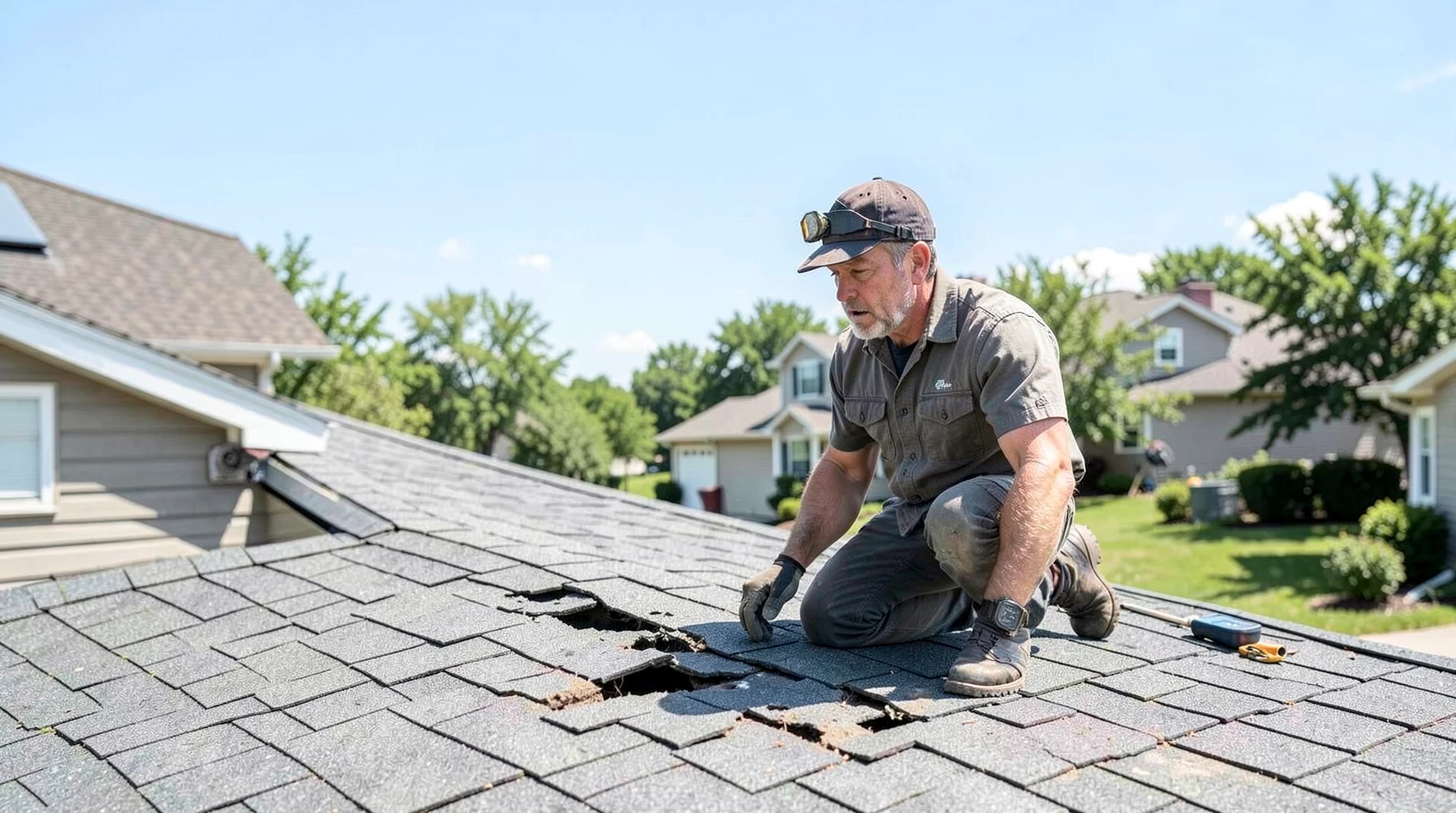
Hail Damage Repair Options for Asphalt Roofs: A Guide for Lake Highlands Homeowners
When the sky opens up and a severe hailstorm rattles your home in Lake Highlands, the first thing you feel is often not relief-it's stress. Looking out at visible damage on your roof can trigger immediate panic, leading to overwhelming questions about what comes next. Before you even call three different contractors, it’s important to take a breath. I’ve spent decades looking at roofs, and I've learned that the initial instinct is always to replace everything, but often, the most expensive mistake isn't waiting for a leak; it's making an uninformed decision based solely on visible dents. My name is David Miller, and when dealing with storm damage, my focus has always been on structural integrity-understanding the true cost of failure versus the initial repair bill. This guide will walk you through exactly what happens when hailstones hit your roof, helping you navigate the available hail damage repair options for asphalt roofs without unnecessary stress or expense.
When Hail Strikes: Getting Started After Damage Hits Your Lake Highlands Home
The immediate aftermath of a hailstorm is emotionally draining. You’re worried about your family, your belongings, and suddenly, your home feels vulnerable. It's natural to feel panicked when you see visible damage on the shingles or dings on the metal flashing. However, I want me to tell you something critical: the first step in this process isn't replacing materials; it’s assessing structural integrity to prevent future leaks and costly internal damage.
Many homeowners make the mistake of focusing only on what looks broken-the surface-level evidence. But a roof is a complex system, and sometimes the most serious problems are happening layers below the visible impact. As an experienced roofing specialist, I always emphasize that we need to look deeper than just the shingles. The true danger lies in compromised underlying components like flashing, underlayment, or degraded granule loss-these are what allow water intrusion long before a visible shingle failure occurs.
To establish a baseline of safety and avoid guesswork, your initial assessment must be thorough and non-invasive. This means scheduling a professional roof hail inspection. We use specialized techniques to check the roof’s condition from multiple angles, ensuring we don't miss any potential weak points. Think of it like this: if you had an old plumbing system, you wouldn't just look for visible puddles; you'd check the joints and connections that could fail under pressure. A proper inspection is your blueprint for peace of mind.
Understanding the Damage: What Hail Really Does to Asphalt Roofing
When we talk about hailstones hitting asphalt roofing, it’s a common misconception that the damage is merely superficial-just cosmetic dents. The reality is much more complex and can compromise the roof's protective function at several critical levels.
Hail doesn't just dent; it compromises the protective granule layer. This granular coating isn't just for curb appeal; it’s vital because it helps prevent UV radiation from breaking down the asphalt binder underneath, which keeps the entire system intact and watertight. When that granules are knocked off-even in small spots-the underlying material is exposed to rapid deterioration.
We must differentiate between superficial damage (those dents you can see easily) and critical structural damage. Critical damage refers to those subtle areas where water intrusion is already possible due to compromised flashing around chimneys, or degraded underlayment that has been punctured by impact or weather stress. These spots are the entry points for future leaks, which can lead to mold, rot, and exponentially higher repair costs inside your walls.
Beyond visible impacts, look out for secondary signs: accelerated moss growth in wet areas, strange discoloration patterns, or localized granule wash-off near valleys or transitions. For instance, if you live in an area like the Valley Ridge neighborhood where humidity can be high, combining hail damage with moisture retention greatly increases the risk of subsurface degradation. A true assessment requires checking three distinct levels: the visible shingles, the felt/underlayment beneath them, and crucially, all penetration points (vents, pipes, flashing). This comprehensive look is what builds trust, because we show you exactly where the vulnerabilities are.
Your Options for Hail Damage Repair on Asphalt Roofs
This section directly addresses your core question: what are the hail damage repair options for asphalt roofs? The key word here is "options"-it's not a single answer, but rather a spectrum of solutions that depends entirely on your roof’s age, the extent of the damage, and your long-term goals.
Partial Repairs (Patching)
In some cases, if the hail was highly localized-say, only hitting one small section near an Indian Creek property entrance-a partial repair might be cost-effective. We can carefully patch or replace only the damaged sections. However, you must understand the limitations and potential long-term weaknesses of patchwork. A roof is designed as a unified system, and endless patching creates weak points and visible mismatches that may deteriorate differently than the surrounding materials. I like to use an analogy: if your car gets minor fender benders over several years, it's better for structural integrity to replace the entire bumper assembly rather than tacking on dozens of small patches.
Full Roof Replacement
Often, even when only minor areas were hit by hailstones, a complete roof system refresh provides far superior longevity and warranty coverage compared to endless patching. Why? Because the hail impact can degrade underlying components (like flashing or underlayment) that are impossible to fully assess and repair piece-by-piece without introducing new variables. A full replacement resets the entire system, giving you the best chance at a long lifespan with minimal future risk. When considering this investment-and understanding the potential roof replacement cost Lake Highlands TX-it's about buying comprehensive peace of mind.
Material Choices: Asphalt vs. Metal
When deciding on new materials, remember that modern options exist to combat Texas weather extremes. While premium asphalt shingles remain popular for their aesthetics and value, considering a more durable material like standing seam metal roofing might offer superior long-term protection in high-risk areas. Metal, when properly installed with robust flashing, can provide exceptional impact resistance and drastically increase your home’s energy efficiency over time. We walk you through the pros and cons of each option based on your specific needs and local climate patterns.
Navigating the Repair Process: Transparency and Peace of Mind
One of the biggest pain points I hear from homeowners-and it's a totally valid one-is the fear of being overcharged or having an unnecessarily complex estimate that feels like guesswork. Before we even discuss materials, let’s talk about process because trust is paramount in this business. We promise clarity, always.
Our repair journey is structured into four transparent steps:
- Thorough Inspection: No visible damage means nothing; we check the structure first.
- Detailed Scope Write-Up: You receive a document with clear explanations of what needs fixing and why, not just dollar amounts. This eliminates guesswork.
- Material Selection/Warranty Review: We review manufacturer warranties (covering material failure) alongside our workmanship warranty, ensuring you are protected on two fronts. Does this help give you peace of mind about that estimate? Because we want you to feel completely confident in the plan.
- Minimal Disruption Installation: Once approved, our team works efficiently, keeping your daily life and landscaping-treating it like it's our own property near Indian Oaks or Green Park-as undisturbed as possible.
It is equally important to understand the difference between manufacturer warranties and workmanship warranties. The former covers defects in the product itself; the latter covers how perfectly we installed it. You need both for true protection. We make sure every homeowner leaves knowing exactly what they are covered under, so there are no surprises down the line.
Beyond the Shingles: Investing in Your Home’s Long-Term Integrity

I often tell my clients that I first got my hands dirty on job sites decades ago, learning that every roof tells a story of the weather it has weathered. My signature perspective is this: the true cost of a roof isn't the repair bill; it's the unexpected downtime and disruption that follows failure.
Instead of focusing only on "repairing damage," let’s pivot to thinking about longevity-viewing this as an investment in your home's overall integrity. Even if your roof seems okay after the hailstorm, knowing its age (most asphalt roofs are designed for 15-25 years) prompts proactive planning. This shifts your mindset from reactive crisis management to planned home care.
We also need to review secondary systems that get stressed during heavy weather events: Gutters and drainage must be checked; flashing around chimneys needs inspection, as these areas bear the brunt of water pressure; and sometimes, structural components supporting the roof were stressed by wind forces accompanying the hail. Taking time now to inspect these adjacent issues prevents a cascade of smaller problems later on.
Please do not panic or feel pressured into making rushed decisions based on fear. We encourage you to schedule a complimentary consultation simply to discuss your home’s long-term needs and review what an optimal maintenance plan looks like for your specific location in Lake Highlands. We are here as trusted advisors, committed to giving you clear numbers, not guesswork.