
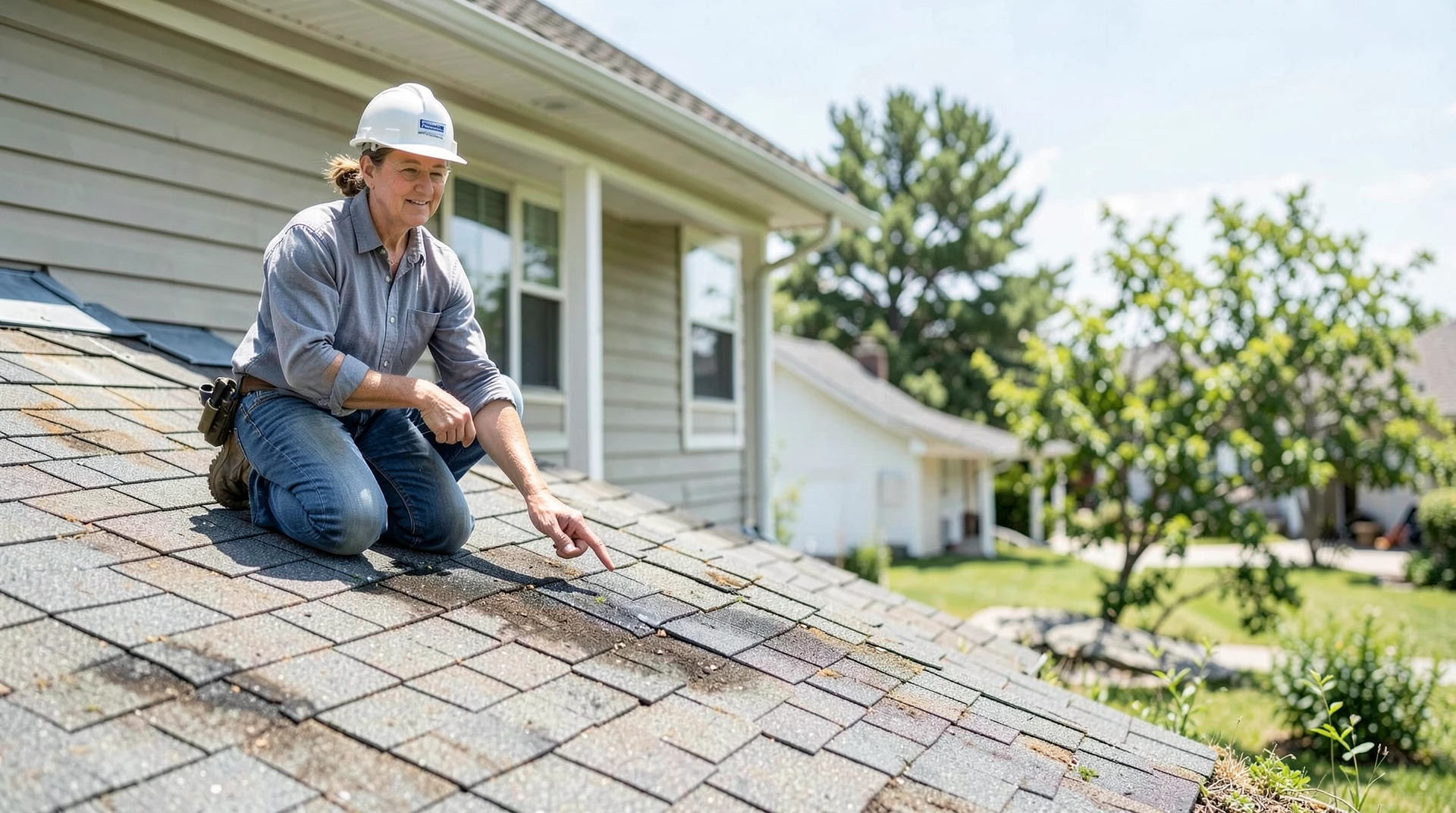
Finding the Best Upgrade to Outdated Standard Asphalt Roofing Materials
When you live in a beautiful neighborhood like Lake Highlands, your home isn't just a structure; it's an investment built for decades of life and memories. And every single part of that investment-from the curb appeal down to the structural integrity of the roof-matters. If your current asphalt roof is showing its age-the granules are worn off, you see tell-tale staining, or you’re constantly battling minor leaks-it can feel overwhelming. You worry: Is this just a cosmetic fix I need? Or is there something fundamentally wrong with the system that needs more than just another stack of matching shingles?
We hear this question often, and it speaks to the core concern of every established homeowner: the true cost of roof ownership isn't simply the price tag on new materials; it’s the peace of mind. My career has taught me that a failing roof can cause far more disruption than the initial repair costs suggest-unexpected leaks into your attic, structural concerns during high winds, or continuous patch jobs that never seem to hold. That feeling of stress and uncertainty is what we need to address first. If you are asking about the best upgrade to outdated standard asphalt roofing materials, we must look far beyond replacing just the shingles; we must evaluate the entire system.
More Than Just Shingles: Understanding Why Your Asphalt Roof Needs an Upgrade
It’s easy to assume that as long as the roof isn't actively leaking, it's fine. However, this assumption ignores the silent degradation happening beneath the surface. Standard asphalt roofing materials, while effective when new, are designed for a finite lifespan. Over time, they don't just get worn out; they degrade in critical ways.
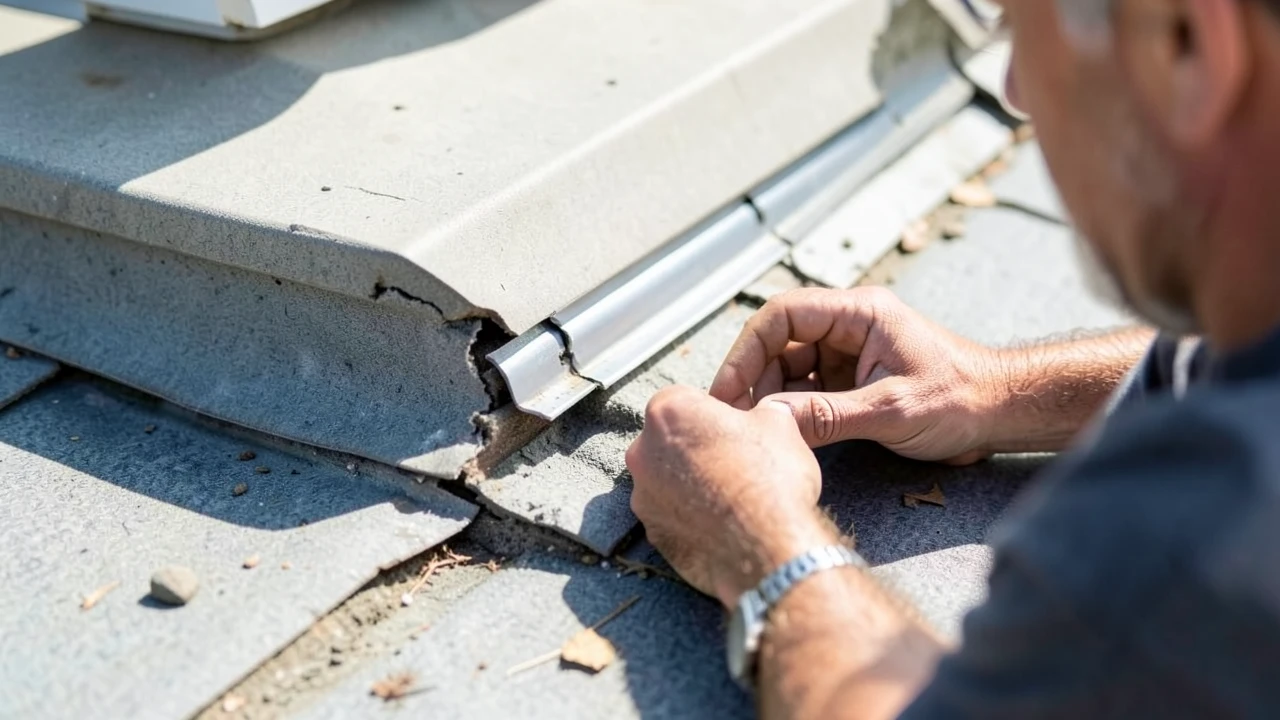
Think of your old roof not as a solid shield, but more like a heavy jacket that has been through countless seasons-a beautiful piece of clothing with seams and zippers that have started to weaken and fray. The asphalt shingles themselves are only the outer layer. The real vulnerability lies where the materials meet: in the seals around chimneys (the flashing), the underlayment beneath them, and the edges of the roof structure. These points are where water finds its way when the system is fatigued.
This brings us to a concept I call the Total Life Cycle Cost. When we only focus on replacing the visible shingles, we often miss the underlying issues that cause those leaks-a failing underlayment or deteriorated flashing. The true cost isn't the initial material purchase; it’s the unexpected downtime when a storm hits, the structural risk posed by compromised flashings, and the constant expenditure on emergency patches. A comprehensive upgrade plan anticipates these failures before they happen.
Analyzing Your Options: From Enhanced Asphalt to Modern Materials
The good news is that “upgrade” doesn’t mean one single solution for every home in Lake Highlands. It means selecting a material tailored specifically to your climate, your style, and your budget. My goal is always to guide you toward the most sensible long-term investment. When considering the best upgrade to outdated standard asphalt roofing materials, we need to look at three categories of superior performance:
Premium Composite Shingles
If maintaining the classic aesthetic of a traditional shingle roof is paramount, premium composite options are excellent. These modern shingles use advanced materials and installation techniques that provide significantly greater impact resistance compared to older asphalt types. They offer better wind resistance and more granular protection against Texas hail, making them a substantial step up from standard asphalt without drastically changing your home's curb appeal.
Metal Roofing
For longevity, durability, and maximum resale value, metal roofing is often the winner. Modern metal panels are incredibly resilient-they can handle high winds, severe weather events, and resist physical impacts that would quickly damage traditional materials. Furthermore, in an affluent area like Lake Highlands, metal roofs offer a distinctive, lasting curb appeal that signals enduring quality. While the initial investment is higher than asphalt, its decades-long lifespan and minimal maintenance costs mean the long-term total cost of ownership is often lower than what you'd expect from multiple asphalt replacements.
Low-Slope Membranes (TPO/Modified Bitumen)
If your home has sections that are flatter or low-pitched-such as attached garage areas, commercial additions, or flat patios-you need a different solution entirely. Here, the focus shifts purely to waterproofing and structural protection. TPO (Thermoplastic Polyolefin) and modified bitumen membranes create seamless, highly impermeable barriers designed for maximum water resistance, ensuring that even where traditional shingles can't go, your structure remains protected.
Ultimately, figuring out which is best requires us to ask: Is impact resistance paramount (Metal)? Or is aesthetic consistency required while maximizing lifespan (Premium Composite)? This process helps filter what the "best" option truly means for your specific property.
The Unseen Foundation: Why Underlayment and Flashing Matter More Than Shingles
If you only remember one thing from this discussion, let it be this: Never judge a roof by its shingles alone. A contractor who focuses solely on replacing the visible layer is treating the symptom, not the disease. True expertise lies in examining the structural components-the elements that keep water out before it reaches the decking.
Flashing: The Watertight Seal
When I talk about flashing, I’m talking about the critical seals around any point where two different materials meet or where a penetration occurs (like vents, pipes, or chimneys). This is arguably the most common source of leaks in an aging roof system. Think of it like trying to seal water out of a sturdy cup-the base and all the seams are just as important as the material itself. If the flashing around that chimney chase isn't properly sealed with modern materials, every heavy Texas rainstorm will find its way through.
Modern Underlayments
Older roofs often relied on basic tar or gravel underlays. Today, we use synthetic underlayments designed with advanced tear resistance and superior moisture barriers. These materials act as a secondary shield for your decking. A proper inspection ensures that the existing underlayment hasn't become brittle or compromised by decades of temperature cycling, which is non-negotiable before any new material goes on top.
When we are discussing the best upgrade to outdated standard asphalt roofing materials, these structural elements (the flashing and the underlayment) must be accounted for first. They determine if a simple repair is possible, or if a full system overhaul is required for true peace of mind. This deep dive into structure is what separates an estimate from an expert assessment.
Minimizing Disruption: A Stress-Free Path from Inspection to Completion
One of the biggest pain points I hear from homeowners-and frankly, it's one I understand completely-is the stress and massive disruption involved in a major home repair. You are dealing with dust, noise, ladder placement in your yard near Indian Creek, and the uncertainty of timelines. That shouldn't feel like an overwhelming job site.
Our process is designed to be as transparent and non-disruptive as possible. We start with a meticulous Inspection. During this time, we don’t guess; we document exactly what needs fixing and why. This detailed scope definition allows us to remove the fear of being overcharged or suddenly presented with an unexpected bill once the crew arrives.
Following inspection, we move into clear communication: defining your material choices, confirming warranties, and setting a realistic timeline for the new roof installation process. We handle all the permitting, the cleanup (treating your lawn in Vista Ridge like it’s our own property), and the coordination so you can focus on moving forward with your life. Our goal is to make this major investment feel seamless, not stressful.
Designing for Decades: Choosing Durability for Your Lake Highlands Investment
Ultimately, understanding the best upgrade to outdated standard asphalt roofing materials is about securing more than just a watertight roof; it’s about safeguarding your property's long-term value and guaranteeing structural peace of mind. A thoughtfully planned upgrade-whether it's premium composite or enduring metal-is an investment that pays dividends in maintenance reduction, superior warranties, and confidence every time the Texas sky turns dark.
The true cost savings are found not just in lower material bills, but in eliminating the risk of catastrophic failure and endless emergency calls. We need to move past reacting to leaks; we need to proactively plan for decades of protection.
My advice, based on years spent on job sites across this region, is simple: Don't jump to a solution because of visible damage or high-pressure sales tactics. Start with an expert assessment that focuses purely on the structural integrity of your home first. We can walk you through all the options-from minor repairs to full replacements-and help you design a roofing system built for the next generation. Let us provide that no-pressure, clear picture so you know exactly what your property needs to remain beautiful and secure for decades to come. If you'd like an honest assessment of your roof’s true condition, please call us at +1 469-589-3827. Home. Commercial Roofing. Custom Roofing. Flat Roofing.