
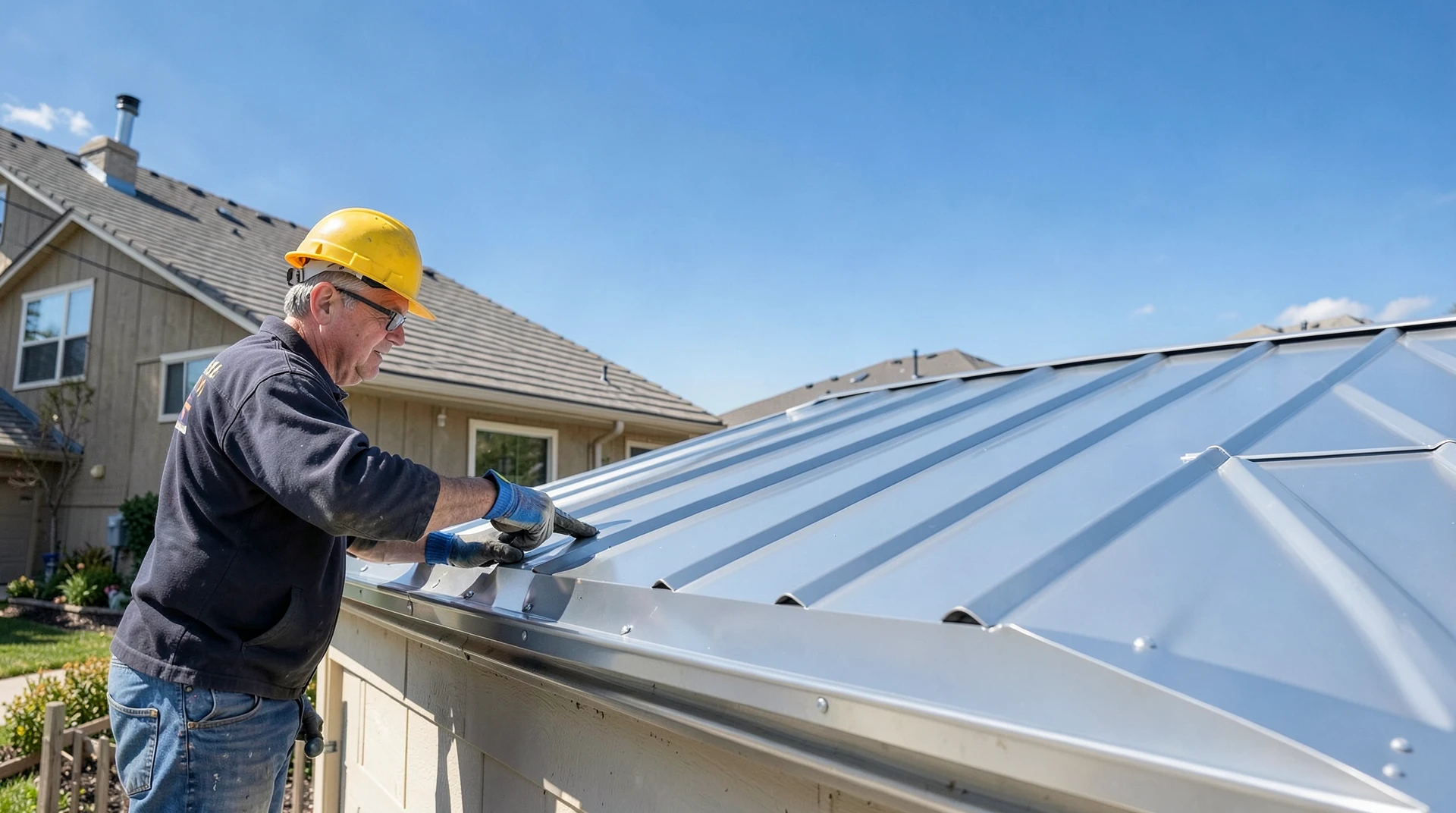
Dealing with a roof replacement is rarely fun, and when you're facing down unpredictable Texas weather-whether it’s a sudden hailstorm or high winds whipping through the Valley Ridge area-the last thing you want is stress. You worry about structural damage, unexpected costs, and the sheer inconvenience of having your home under construction for weeks. It can feel overwhelming. We understand that feeling completely.
When homeowners ask us about metal roofing lifespan and maintenance schedule, they aren't just asking about metal; they are really asking, "How do I ensure this investment will keep my family secure and stress-free for decades to come?" The truth is, a modern roof system is far more than just the panels you see from the street. It’s an engineered layer of protection that needs proper planning, material selection, and routine care. We want to walk you through everything-from understanding your long-term investment value to knowing exactly what those annual inspections entail.
Beyond Just Shingles: Understanding Metal Roofing as a Long-Term Investment
When people think about roofing materials, they often picture asphalt shingles-a reliable, but ultimately disposable layer that requires replacement every 15 to 25 years. While these materials have their place, considering metal roofing changes the conversation from merely replacing a roof to making a genuine structural investment in your home’s long-term integrity and curb appeal.
I first got my hands dirty on job sites decades ago, learning that every roof tells a story of the weather it has weathered. Over the years, I've focused intensely on how proper planning and material science are key to longevity. And what I consistently find is this: The true cost of a roof isn't the repair bill; it's the unexpected downtime and disruption that follows failure.
Metal roofing systems, particularly standing seam varieties, function not just as a waterproof covering but as an engineered structural layer. They contribute to overall home integrity by managing water runoff efficiently and providing unmatched durability against common Texas threats. If you live in Lake Highlands or surrounding areas that frequently experience severe hailstorms, the ability of metal to withstand high-impact debris is a tangible benefit that asphalt cannot match.
We aren't selling you a roof; we are securing your home’s peace of mind by minimizing risk. We focus on proactive planning-making sure that when disaster strikes (or even just when time passes), you are prepared, not panicked. This approach helps protect your property value and keeps the hassle factor minimal for you, the homeowner.
The Lifespan Promise: How Long Should You Expect Metal Roofing to Last?
This is perhaps the most critical question, and it requires a clear look at material science. When we discuss how long does metal roofing last in Texas, the answer is far more encouraging than many people anticipate.
For properly installed, high-quality metal roofing systems (especially those with robust protective coatings), you can easily look at 40 years or more. To put that into perspective for our established homeowners: that’s a lifespan that often exceeds the anticipated life of the home's HVAC unit or even some major appliances. This longevity is what makes it such a powerful long-term investment.
Why does metal last so long?
The durability isn't just in the sheet metal itself; it lies in the underlying protective coatings and the robust, continuous structure. These elements are designed to resist degradation from UV rays, temperature extremes (from blistering heat days to cold nights), and chemical runoff without rusting through.
However, here is a crucial detail that many people overlook: the lifespan of the entire system depends on more than just the panels. The components like flashing (the metal seals around chimneys or vents) and gutters are often the first points of failure, even if the main roof panels are brand new. These areas require meticulous installation and regular checks.
Understanding this longevity helps justify the upfront investment. When you plan for a full replacement with an eye toward 40 years of protection, the initial cost becomes an expenditure against decades of worry-a much better return than expecting to replace a lower-grade roof in another decade or two.
Keeping It Watertight: A Simple Metal Roofing Maintenance Schedule
So, if metal roofing lasts so long, what does that mean for my time? This is where we tackle the maintenance schedule head-on and simplify it into something actionable. The good news is that a well-maintained metal roof requires minimal effort, but consistent attention to key areas makes all the difference between "minor upkeep" and "major leak."
The annual inspection check should be your primary focus. This isn't about scrubbing panels; it's fundamentally about checking the drainage system: For a thorough assessment of your roof’s condition, understanding what to expect from professional services like Casa Linda roof inspection services is key.
- Gutters and Downspouts: These must be kept clear of debris (fallen leaves, small branches). If they clog, water has no choice but to follow an unexpected path onto your fascia board or siding-a direct route to potential leaks. Think of them like plumbing lines; if the exit is blocked, the pressure forces water somewhere else.
- Flashing Seals: Inspect all metal flashing around penetrations (vents, pipes, chimneys). Over time, these seals can degrade due to thermal cycling or corrosive materials. A professional should check for cracks or gaps and recommend re-caulking.
- Fasteners and Joints: Check the screws and fasteners securing the panels. Rust or corrosion here can create weak points that allow water ingress over decades of expansion and contraction.
Minor maintenance also involves clearing debris from the roof surface after major weather events, such as fallen limbs hitting the roofline. By keeping these simple tasks in mind, you drastically reduce the chance of minor issues escalating into costly, stressful emergency repairs. Following this proactive routine is key to maximizing your metal roofing lifespan and maintenance schedule.
Beyond the Panels: What Inspection Reveals About Your Roof’s True Health
One of the biggest fears I hear from homeowners-and it's a very common one-is the fear of being overcharged or upsold unnecessary services. This is where the concept of a professional roof inspection becomes your shield against unexpected costs. You should view this inspection not as an estimate for immediate repair, but as a necessary diagnostic step that gives you absolute clarity and control.
When we perform a detailed inspection (often following a comprehensive professional roof inspection checklist), we are looking at much more than just the visible metal panels. We examine:
- The Underlayment: Checking for any signs of tears, blistering, or premature degradation beneath the metal panels-this is your primary line of defense against moisture and must be sound regardless of how good the metal looks.
- Structural Support: Assessing the underlying decking and structural support to ensure it can handle decades more of weather impact.
- Localized Damage: Identifying subtle signs that indicate age or damage requiring attention-such as persistent water staining, noticeable warping in specific seams, or localized rust spots around penetrations.
Knowing what a professional inspection covers allows you to preemptively plan. If we find the flashing is failing, but the panels are solid, you can make a small, targeted repair that prevents massive structural issues and keeps your budget intact. As I often tell my clients: finding the problem early is how we ensure you aren't blindsided by an estimate later.
Choosing the Right Material for Lake Highlands and Texas Weather
The decision to switch materials involves more than just aesthetics; it’s about performance in a demanding climate like ours. When selecting your metal roofing, consider these factors: When selecting your metal roofing, consider these factors: the performance of different coatings, such as viewing our View Rock Line Roofing portfolio for options on roof coatings.
Material Type: The most common choice is standing seam metal, which offers continuous seams that are highly resistant to leaks and physical impact. While corrugated panels can be cost-effective, they generally do not offer the same level of structural integrity or seamless water management as a true standing seam system.
Energy Efficiency (The Color Factor): For our high-income homeowners who prioritize sustainability, color matters. Lighter colored metals are excellent at reflecting solar heat, which can significantly reduce your home's cooling costs-a powerful financial incentive in the Texas heat cycle.
Climate Resilience: A roof must perform under two extremes: severe hailstorms and intense, prolonged heat cycles. The metal chosen must have a coating designed for maximum impact resistance and thermal stability.
I recall one homeowner near Indian Creek who was concerned about aesthetics but worried about function after a major storm. We guided them to a specific gauge of standing seam steel that offered the perfect balance: exceptional resilience combined with the exact deep green color they wanted. It showed us once again that selecting a reputable contractor who understands regional building codes and material sourcing, specifically for the Dallas/Fort Worth metro area, is absolutely non-negotiable. The longevity relies as much on the quality of the underlying installation process (flashing, underlayment) as it does on the metal itself. For homeowners needing reliable roofing in MacArthur Park, TX, we ensure that the selection of materials and the installation process are handled with expert care.
Securing Your Home's Integrity: Next Steps for a Stress-Free Roof Solution
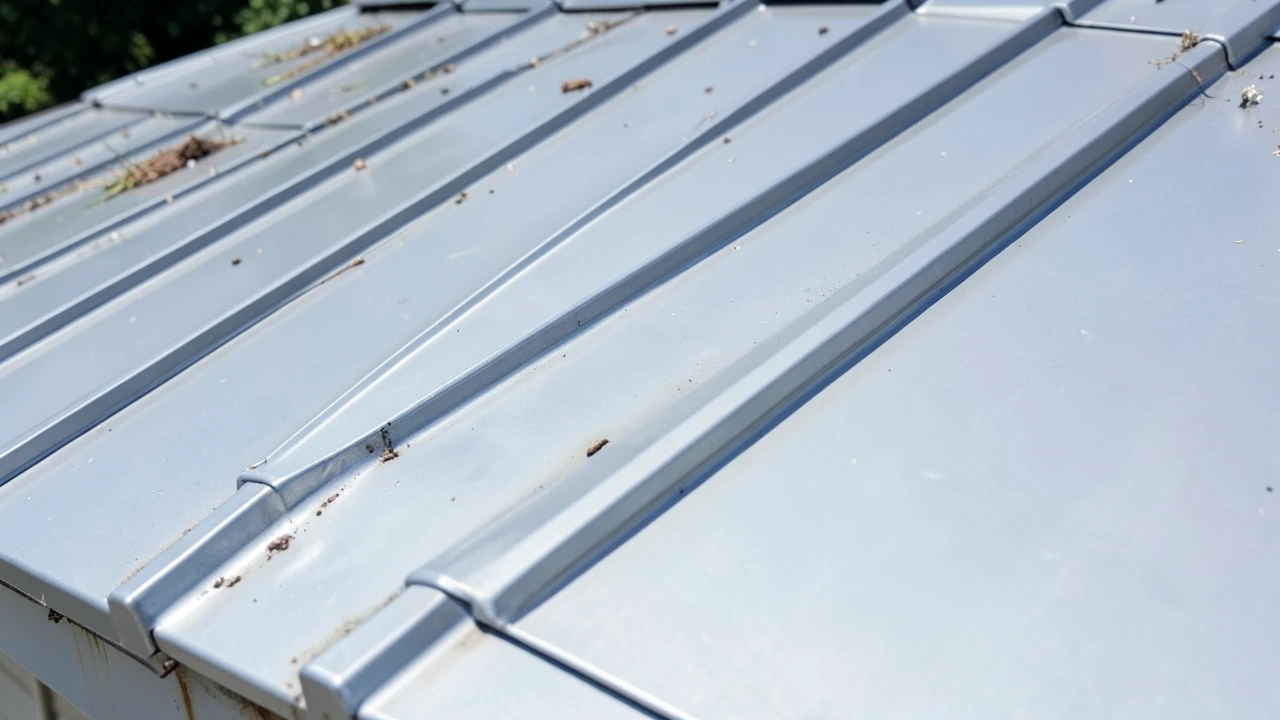
Ultimately, the goal of this entire conversation-from discussing metal roofing lifespan and maintenance schedule to reviewing local building codes-is to minimize your stress and maximize your peace of mind. It’s about preparation. By planning ahead, you move from being reactive (calling an emergency repair service after a storm) to being proactive (scheduling preventative care).
My signature perspective is simple: the true cost of failure isn't just the material bill; it's the unexpected downtime and disruption that follows. We handle all the complexity-the permits, the timelines, and the mess-so you don’t have to manage a chaotic job site while running your life.
If you are considering an upgrade or simply feel like it might be time for a deeper check-up, here is our straightforward process:
- Initial Consultation: A no-pressure chat about your concerns and goals.
- Detailed Inspection: We conduct a thorough assessment of your roof's current health and the surrounding structure.
- Clear Estimate/Plan: We walk you through exactly what needs fixing, using clear numbers and explanations so there are zero surprises down the line.
- Flawless Execution: Our team handles the job with minimal disruption to your daily routine.
Whether you live in Old Town Lewisville or further out toward Green Park, proper assessment is key. If you’d like a straightforward conversation about whether preventative planning is right for your home-with no commitment required-please call us at +1 469-589-3827. We look forward to helping secure the integrity of your home.