
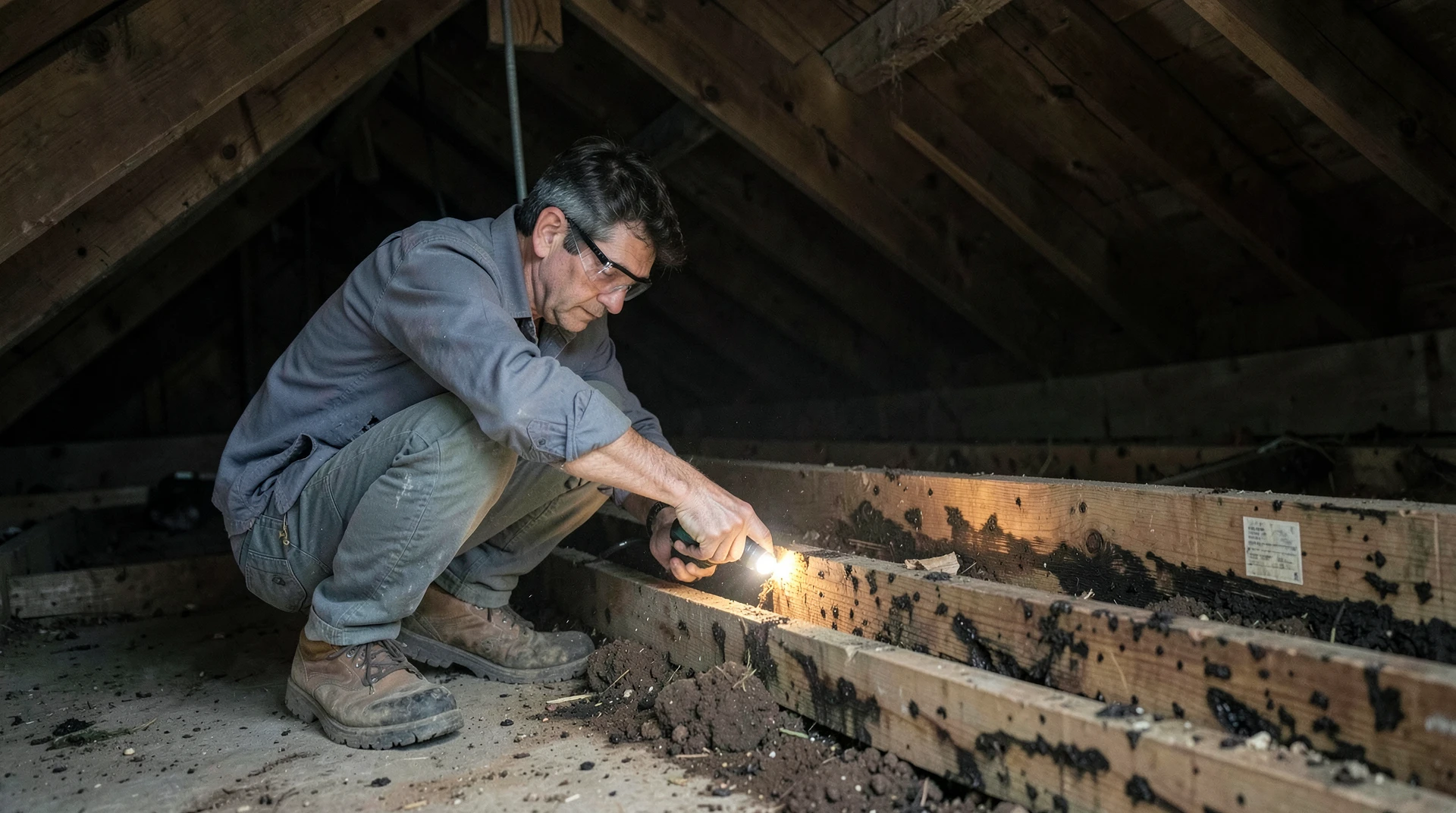
If you’re an established homeowner in Lake Highlands, TX-the kind who has invested time and money into creating a beautiful life in your home-you know that the biggest worries often aren't the visible things. They are the things hidden behind the walls, under the crawlspace, or tucked away inside your attic mechanical room. When we talk about roof leaks, most people focus solely on the wet spot they see forming on the ceiling. But frankly, that’s only half the story. The single most terrifying aspect of a leak is not the drip itself; it's the uncertainty of what else has been compromised by the invisible flow of water behind your drywall and within your structural envelope.
We often think of roofing as merely keeping out the rain, but truly, the roof’s job is to guarantee structural integrity. When that barrier fails, water doesn't stop at the exterior; it starts a hidden cascade of damage. This secondary damage-compromised insulation, slow wood rot in joists, and corrupted electrical components-is where the true, often unimaginable cost lies.
To be clear about what we mean by "leak detection failure": this isn't just about finding a loose shingle or visible rust stain. It refers to the system failing to identify a minor breach-say, poor flashing around an exhaust vent, or compromised underlayment near a chimney chase-before water infiltrates deep into your building envelope and begins its slow, destructive work.
Think of it this way: proper roofing and comprehensive leak detection are exactly like maintaining a watertight seal around kitchen plumbing. If you ignore one small joint, one minor flange connection, or let a single washer degrade, that seemingly insignificant mistake can eventually lead to massive, costly flooding down the line-damage that is exponentially worse than just fixing the initial pipe. For your home, we treat every flashing point and every underlayment seam with that same level of critical care.
The Domino Effect: How Roof Leaks Compromise Your HVAC System
This is where the problem moves from being merely an aesthetic issue to a major financial threat. When a roof leak goes undetected or poorly managed, the damage doesn't just stay on the ceiling; it travels directly toward your most expensive mechanical systems-namely, your heating and air conditioning units (HVAC). We are talking about HVAC system damage caused by roof leak detection failure, and understanding this link is crucial for any homeowner protecting their investment.
How does a drip from the attic corner lead to an AC breakdown? It's a process of deterioration. Water pooling near your air handling unit, furnace components, or even saturating the insulation surrounding those units initiates multiple forms of damage:
- Corrosion and Electrical Failure: Constant moisture is corrosive. Over time, it eats away at metal brackets, electrical wiring, and the sensitive copper coils within your AC condenser. This leads to premature failure, requiring costly replacements far sooner than anticipated.
- Mold and Mildew Buildup (IAQ Threat): When leaks saturate ductwork or attic joists, they create perfect breeding grounds for mold and mildew. This doesn't just damage the structure; it seriously compromises your indoor air quality (IAQ). For established homeowners with families, this is a major health concern-a far greater cost than the roof repair itself.
- Efficiency Compromise: Even if the unit hasn't totally failed, saturated insulation loses its R-value effectiveness. Furthermore, moisture buildup can create differential pressure issues within the system, making your AC struggle to pull or push air effectively. The result? Your system runs harder and longer, translating directly into higher energy bills and a feeling that nothing is ever quite working right.
It’s important to preemptively address one common mistake: attempting DIY fixes or only replacing a small section of roofing without addressing the underlying water path. This never solves the root problem. Water follows gravity and the path of least resistance, meaning issues with your residential roofing can cause leaks to appear somewhere else nearby, proving that a thorough, professional inspection is vastly cheaper than managing multiple emergency repairs over time.
An anecdote from my career taught me this lesson well: I once worked on a beautiful older home in Vista Ridge where the homeowner had repeatedly patched small patches around vent pipes. The initial repair cost was low, but because they didn't identify the primary water path (a deteriorating flashing joint near the chimney), three months later, mold remediation and electrical failure were required-the total cost skyrocketed. It’s always about the system, not just the spot you see wet.
Decoding the Damage: What Professional Inspection Actually Catches
If the problem is often invisible until it's too late, how do we catch it? By shifting our focus from "fixing" to preventing. A professional roof inspection is not merely an expense; it is a necessary, highly technical investment in your home's structural integrity and future peace of mind. We understand that the estimate can seem daunting, but think of us as your risk management team for your biggest asset.
Our assessment process goes far beyond simply walking across the roof and looking at shingles. For an established homeowner like yourself, you deserve to know exactly what we are checking for:
- Flashing Integrity: We meticulously inspect all flashing-the metal components around chimneys, vents, and valleys. These are notorious failure points and require specialized knowledge to assess if they are degrading or compromised by previous weathering cycles.
- Underlayment Saturation: Using advanced moisture meters and visual checks, we look beneath the surface layer. Finding saturation in the underlayment is proof that water has penetrated deeper than the visible roofing material itself.
- Pitch and Drainage Assessment: We assess the roof’s physical slope to ensure no areas are prone to standing water (ponding). Ponding significantly increases the chance of localized structural damage over time, especially during heavy seasonal rain or high winds out near Indian Creek.
To locate leaks invisible to the naked eye, we use tools like thermal imaging cameras and precision moisture meters. These technologies allow us to pinpoint areas where temperature fluctuations or excessive dampness suggest a compromised barrier-a level of detail that is impossible for an untrained eye (or even a homeowner) to detect. This detailed assessment ensures we are solving the problem, not just covering up the visible damage.
Beyond the Quick Fix: When Leak Repair Signals the Need for Full Roof Replacement
Sometimes, a leak repair is simply treating a symptom. If your roof has been subjected to years of cyclical failures-patches here, tarring there, localized repairs around every vent and chimney-it suggests that the entire roofing system is reaching its natural end-of-life. These constant, localized fixes are merely band-aids on a systemic failure waiting to happen. For instance, understanding the specific needs of your area can be critical; for example, if you are concerned about hail damage, reviewing information on Lake Highlands impact shingles installation is a wise first step.
This is where we guide homeowners toward proactive replacement planning. If your roof was originally installed 15 to 25 years ago (or if it has endured multiple severe storm cycles), the structure beneath the shingles may have suffered enough micro-damage that no amount of patching can restore its long-term resilience.
When a full replacement is necessary, we make the process as seamless as possible. We particularly recommend targeting these upgrades when you are already planning other major home improvements-perhaps new AC units or a kitchen remodel in your Lake Highlands home. Coordinating the roofing work with these projects saves tremendous time and often provides aesthetic consistency that standalone repairs cannot match.
When considering materials, we focus on long-term investment. For instance, comparing options isn't just about initial price; it’s about lifespan, impact resistance, and how well they protect against future severe weather events common in the Dallas/Fort Worth area. Materials like Metal Roofing or TPO roofing offer distinct advantages in durability and moisture barrier capabilities compared to some standard asphalt options, offering superior protection for your structural integrity over decades.
To be frank, delaying a full replacement when it is genuinely due only increases the potential for catastrophic damage-not just water leaks, but expensive mold remediation, electrical system failure, and major disruption. That financial risk always outweighs the cost of proper proactive installation.
Restoring Peace of Mind: The Next Steps After Your Roof Inspection
We know that receiving an inspection report can feel overwhelming. You want clear answers without being faced with a barrage of confusing add-ons or upselling tactics. Our commitment is to transparency, providing you with nothing but clear numbers and honest advice on restoring your home's peace of mind.

After our thorough examination, you will receive a detailed, comprehensive report. This document outlines all necessary repairs and replacements-not just the most expensive option-so that you can make an educated decision about prioritizing structural integrity first. We want to eliminate the fear of the "bait-and-switch" estimate entirely.
When we do perform a full roofing project, your comfort is paramount. We take extreme care in execution: minimizing disruption, protecting surrounding landscaping (treating your lawn like it’s our own property), and coordinating the construction schedule around your daily routine here in Lake Highlands or Vista Ridge. The goal is to make sure that while major work is happening on the roof, life continues normally inside your home.
Ultimately, protecting your home investment requires confidence in your contractor. Ultimately, protecting your home investment requires confidence in your contractor; for comprehensive care, consider our Rock Line roofing services. If you've been worried about signs of wear-perhaps after a recent hailstorm or if an HVAC unit seems to run less efficiently than usual-the best first step is not panicking, but simply having a no-commitment discussion with a professional.
If the thought of potential HVAC system damage caused by roof leak detection failure has kept you up at night, please don't let it become a costly emergency. Reach out to us for an initial consultation about your home’s long-term protection plan. We can walk you through exactly what to expect and help restore that crucial peace of mind.