

When a hailstorm rips across the sky-whether we're talking about Indian Creek or out near Vista Ridge-the initial damage is alarming enough. You see the dents, you see the tears, and your immediate worry is simply, "How bad is it?" But for many homeowners in our area, the storm isn't the hardest part; the aftermath with the insurance company often is. Dealing with claims, adjusters, conflicting reports, and confusing policy language can feel like a second, much more stressful disaster.
My job, after 25 years working on roofs across this region, has taught me one thing: the true cost of a roof isn't the repair bill; it's the unexpected downtime and stress that follows failure. My goal here is to equip you with knowledge-not just about shingles, but about your rights. We’re going to walk through what happens after the hailstones stop falling, focusing on proactive protection and minimizing the worry for you.
What to Do in the Immediate Aftermath of Hail Damage
In those first few hours following a major storm, adrenaline is high, and panic can set in. Your instinct might be to call three different contractors immediately, but please pause. The very first steps are about safety and documentation.
First and foremost, prioritize safety. Before assessing any damage, ensure all immediate structural risks are stabilized. If you see large missing pieces of decking or exposed underlayment, treat the area as unstable until a professional can properly assess it. Never work on wet or compromised surfaces yourself; your safety comes first.
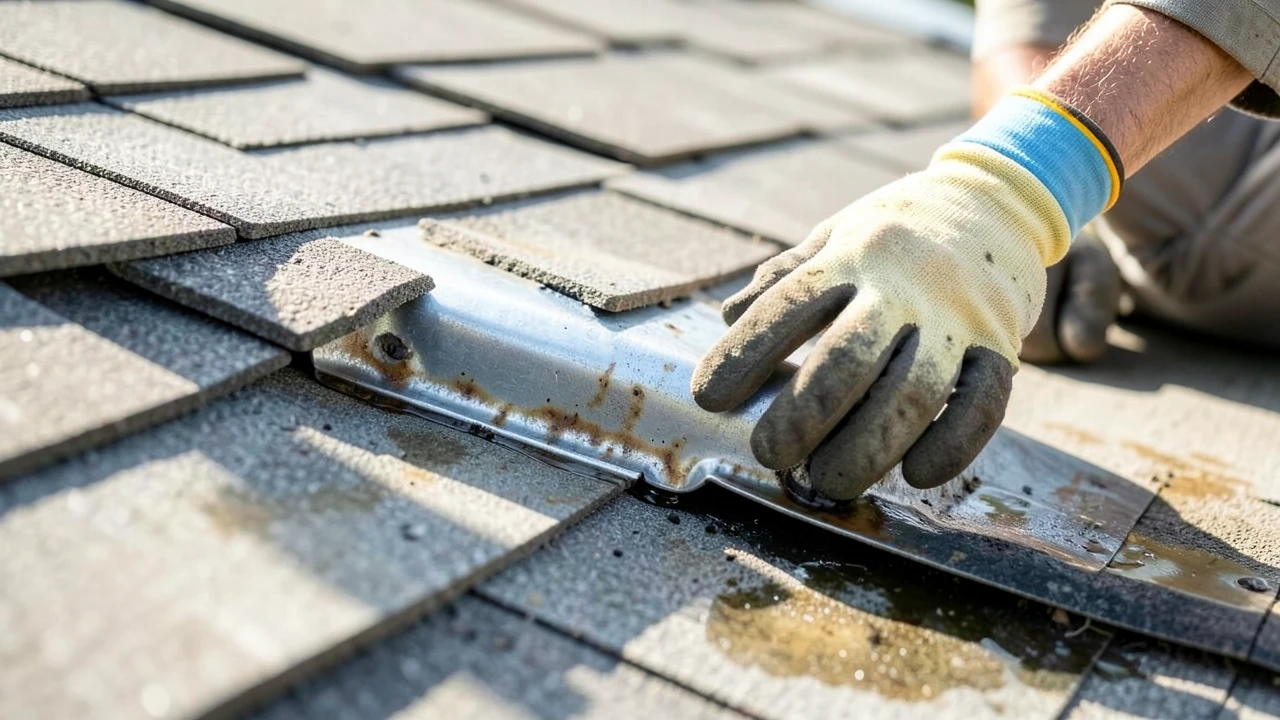
Next, we need to be meticulous with documentation. Use high-resolution photos and videos. Don't just focus on the visible impacts-the dented shingles are easy enough. You must also capture any areas where flashing (the metal pieces around vents and chimneys) may have been compromised by wind or hail. This detailed documentation is not just helpful; it is absolutely critical evidence for your later claims process.
Beyond the roof itself, we need to identify immediate internal signs of distress. A homeowner often only looks up at the shingles, but true damage can be invisible. Check for water stains on ceilings, mildew growth near vents, or any moisture intrusion around chimneys. These are frequently the first indicators that unseen damage has occurred beneath the surface layers.
It’s also crucial to remember this: initial appearances can be misleading. A hailstorm doesn't just punch holes; it compromises underlying flashing and underlayment before a major leak even happens during rain. Understanding that the true scope of loss extends far beyond simply replacing damaged shingle panels is key to accurate assessment later on.
Navigating Insurance Claims: Understanding Your Rights
This section is arguably the most critical, because this is where many homeowners feel overwhelmed and powerless. The process can feel like a labyrinth designed by lawyers. But understanding your rights and knowing what adjusters look for gives you back control.
The very first rule of thumb? Review your policy language carefully, before calling anyone else. Do not rely on general advice. You need to know exactly how "hail damage" is defined in your specific homeowner's policy. Understand the deductible amount and what triggers the claim process so you are never caught off guard by unexpected costs.
When it comes to navigating insurance disputes for hail damaged shingles, keeping a paper trail of every single interaction is non-negotiable. Document everything: keep detailed records of every phone call, conversation summaries, the name and title of the adjuster, and any estimated dates or repair scope provided by the insurer or contractor. This file becomes your objective shield.
A common misunderstanding concerns the difference between cosmetic damage and structural loss. Insurance adjusters are often trained to focus on visible surface repairs-replacing a few damaged shingles. Your job, as the homeowner, is to guide them (and yourself) to understand how compromised flashing or decking affects the long-term structural integrity of your home. Sometimes, the problem isn't the shingle; it’s the metal seal around the chimney that has failed underneath the visible damage.
I want to share a quick anecdote from my time in the industry: I once worked on a beautiful house near Green Park where the adjuster was ready to pay out for only surface repairs. We found that multiple compromised flashings had allowed water to seep into the underlying plywood decking, which was rotting-a problem completely invisible from ground level or even during a rainstorm. This taught me that when navigating insurance disputes for hail damaged shingles, you must always argue for the full structural assessment, not just the cosmetic fix.
Finally, be wary of immediate high-pressure offers. If a contractor arrives immediately after you file a claim, they may be incentivized to exaggerate scope. It is wise to gather multiple third-party assessments before committing to any major repair estimate. This diligence is part of navigating insurance disputes for hail damaged shingles successfully.
Beyond the Shingle: Assessing True Roof Integrity and Scope of Loss
When we talk about a roof, we are talking about an integrated system-a series of layers designed to keep water out, no matter what the weather throws at it. Focusing only on the surface is like looking at a car's paint job and ignoring the engine block. The true assessment must go deeper. When considering roofing materials, understanding options like impact-resistant shingles in Lake Highlands shows that focusing only on the surface is like looking at a car’s paint job and ignoring the engine block.
We need to focus on hidden components like flashing, underlayment (the protective membrane beneath the shingles), and decking (the plywood or OSB structure). These elements are what make your roof truly watertight. Hail or high winds can crack flashings around chimneys or vents, creating tiny pathways for leaks that the visible shingles will conceal until it’s too late.
A true assessment requires an expert inspection versus a quick visual walkthrough. A professional needs to inspect areas that are difficult to see-the transition points where different materials meet (like metal gutters meeting asphalt roofing). We need to check every seam, every corner, and every penetrative point.
This leads us to understanding why replacement is often better than spot repairs. If multiple sections of the roof have endured storm damage across a large area, piecemeal, localized fixes can lead to uneven wear or compromised material compatibility over time, which inevitably undermines the entire system structure. It's like trying to patch up an old car with mismatched parts-it won't run right.
Because we deal with diverse regional needs in areas like Lake Highlands and Valley Ridge, it is vital to know local building codes for materials. A proper assessment must confirm that any proposed replacement materials meet current structural standards and are designed specifically for our localized Texas weather patterns, considering everything from intense heat cycles to sudden hailstorms.
Choosing a Reputable Contractor to Manage the Repair
The last thing you need when your roof is compromised is to feel like you're being upsold unnecessary services or dealing with an unvetted crew. Your contractor needs to be more than just a laborer; they must be a project manager, an assessor, and a trusted local partner. When dealing with roof damage, it is wise to consult with established rooftop system experts before making any decisions about repairs or replacements.
First, vet your contractor based on local reputation, not just marketing claims. Ask specific questions about their insurance coverage for this type of structural repair-not just general liability. Do they have local references from our immediate community? We treat this process like managing a complex home renovation, and the expertise should reflect that.
Next, insist on clear, itemized pricing before any work begins. A reputable team will walk you through the estimate using plain English, explaining why each material-be it specific underlayment or flashing-is necessary for code compliance and structural longevity. They shouldn't just hand over a thick invoice with acronyms.
We also need to discuss project management and disruption mitigation upfront. Since this is your home, ask how they plan to keep construction noise minimal, manage debris removal efficiently, and protect your landscaping while working on the roof. A good contractor treats your lawn like it’s their own property.
Finally, understand warranties-who backs the work? Don't just accept a material warranty from the shingle manufacturer; insist on both a comprehensive workmanship guarantee and an extended structural warranty from the installation team itself. This is what provides true peace of mind long after the crew leaves.
Restoring Your Home: From Damage Assessment to Seamless Completion
The roof replacement process, once it's time to replace the entire system, is not simply about removing old shingles and laying new ones. It’s a comprehensive restoration effort that must consider every connected element of your home. When considering major repairs, understanding professional roofing services is key to ensuring a complete restoration effort.
A complete job involves addressing gutters, downspouts, and all necessary drainage points simultaneously to ensure long-term water diversion away from your foundation. If these elements are left out, the new roof will fail prematurely because water management has been compromised elsewhere.
When considering materials, we need to factor in material longevity for the Texas climate. We can discuss durable options like premium architectural shingles or heavy-gauge metal roofing, depending on your aesthetic preference and how many decades you want this investment to last. This discussion is about long-term value, not just a quick fix that might only last ten years.
A smart homeowner also considers coordinating with other home systems. If you are planning other major projects-like new AC installation or a kitchen remodel-we can schedule the roof replacement concurrently. Coordinating these massive jobs simplifies logistics immensely and saves you from multiple periods of disruption across different contractors.
Before the team packs up, always conduct a final walkthrough. Confirm that all temporary measures were reversed, materials are protected, and that the site is immaculate. We strive to leave your property better than we found it, which means every detail matters.
Your Next Step Toward Restoring Peace of Mind
If you've experienced severe storm damage, or if you’re simply worried about an estimate that seems too high or vague, remember this: having an objective second opinion is always wise. I cannot stress enough the value of a third party looking at your claim through both an engineering and a policy lens.
My experience has taught me that many homeowners are caught in the crossfire between structural necessity and insurance payout limits. That complexity is exactly what we specialize in-navigating insurance disputes for hail damaged shingles. We help bridge the gap where the claim meets structural integrity, ensuring you get not just a roof, but a properly engineered, watertight system designed to last through decades of Texas weather.
If these complex issues sound overwhelming, please know that I'd be happy to talk through your concerns without any pressure-just like two neighbors discussing a complicated home project over coffee. Give me a call for a simple chat; we can discuss what a proper assessment should look like and help clear up the confusion surrounding your claim process.